A calendar can be a useful reminder to inspect shoes, but it cannot decide the care method. Two pairs worn for different activities, on different surfaces, and made from different materials can need different attention. Start by deciding what needs care and whether the maker permits the method you are considering.
Use a condition check instead of a universal calendar
Nike describes periodic cleaning as part of shoe care and points to dirt, mud, scuffs, and stains as common reasons shoes need attention. That supports an inspection habit, not a promise that every pair should be cleaned on the same date.
Before choosing a cleaner, look at what is actually present. Loose soil, a mark on an upper, a dirty sole, or a removable insole can call for different care. If a shoe is clean, dry, and performing normally, time alone is not a reason to choose a more intensive method.
Let use and environment change the question
ASICS says its running-shoe cleaning depends on how often and where a person runs. A pair used regularly on muddy paths may need an earlier condition check than a pair worn occasionally indoors, but the exact materials and construction still matter.
Its suggested quick clean every two to three months is an ASICS running-shoe maintenance example. Do not turn it into a schedule for casual sneakers, leather-trimmed shoes, a different brand, or any pair whose care label gives different instructions.
Choose the smallest suitable care step
Cleaning does not always mean a full wash. Nike starts with loose dirt and then uses material-aware cleaning steps. A dry brush, a spot-focused method, separate insole care, or a full cleaning may be different decisions for the same pair at different times.
Check the exact shoe's care information before using water, detergent, a washing machine, or a dryer. The condition that prompts cleaning does not establish that every cleaning method is suitable.
Keep machine-wash permission separate from cleaning frequency
A shoe may look dirty and still be unsuitable for a washing machine. The shoe maker's care label controls whether the pair may be machine washed or tumble dried; a calendar, a material label, or a bag cannot override that instruction.
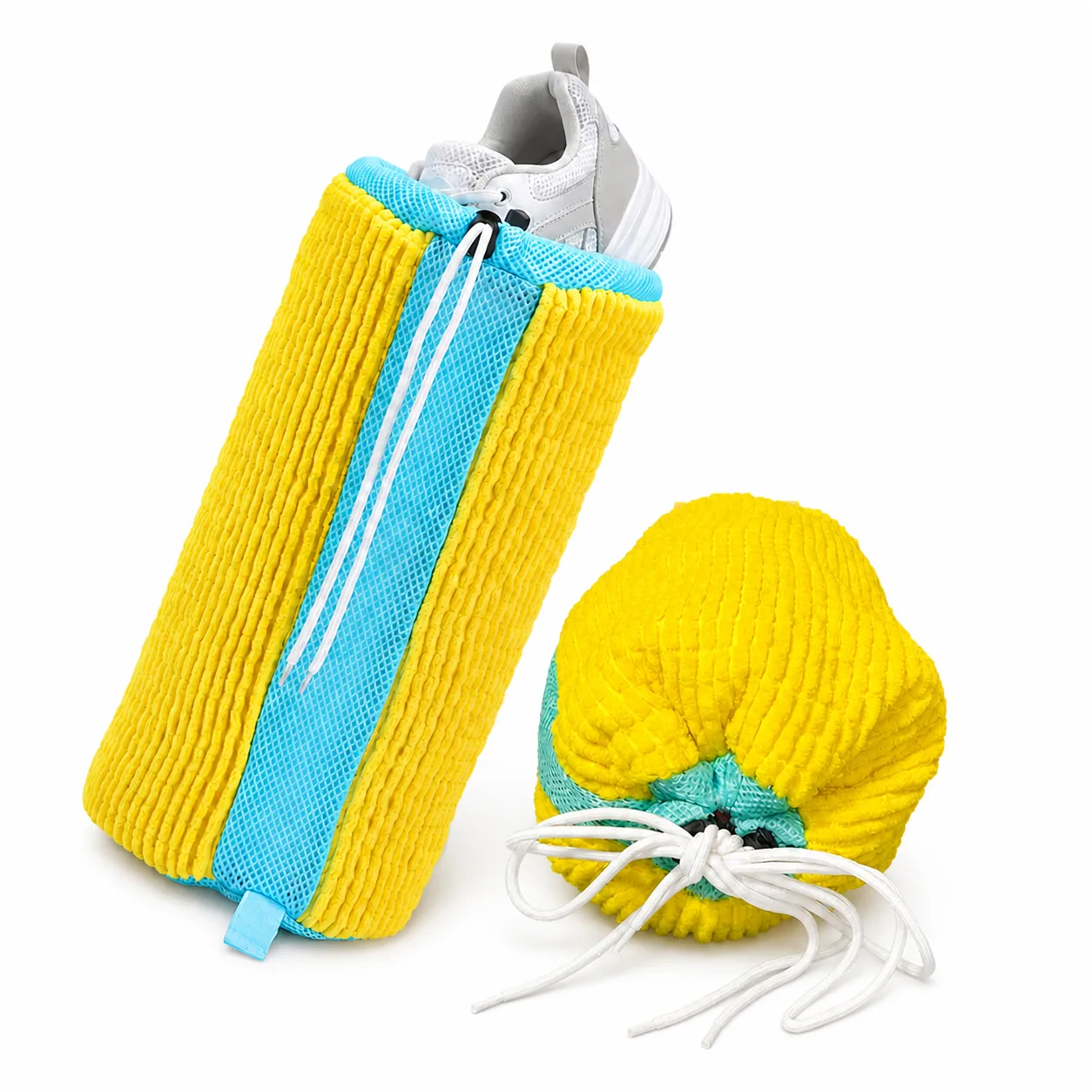
For a shoe whose maker does permit machine washing, an EMOZNY Shoe Washing Bag can keep one shoe contained during the wash. It does not determine when cleaning is needed or change the shoe's permitted cycle, detergent, or drying method.
Use this maintenance decision check
Review these questions before adding a sneaker-cleaning task to your routine.
- What visible soil, mark, or component actually needs attention?
- Has the pair's use or environment created a reason to inspect it sooner?
- Does the exact shoe maker describe a suitable cleaning method?
- Can a smaller care step address the condition before a full wash is considered?
- If machine washing is permitted, have you separately checked the wash and drying instructions?
Limits to keep in mind
- ASICS' timing example applies to its running-shoe maintenance guidance, not every shoe or brand.
- Visible dirt does not make a leather, suede, delicate, damaged, or otherwise restricted shoe machine washable.
- This guide does not promise that a cleaning method will remove every stain, odor, or sign of wear.
Frequently asked questions
Should I wash my sneakers every month?
Not as a universal rule. Inspect the pair's condition, use, and the shoe maker's care instructions instead of treating a monthly reminder as machine-wash permission.
Does a dirty sole mean I should machine wash the shoes?
No. Loose soil or a dirty sole may call for a smaller, material-appropriate cleaning step. The exact shoe maker decides whether machine washing is suitable.
Why does ASICS mention two to three months?
ASICS presents that as a quick-clean maintenance example for its running shoes and says frequency depends on how often and where a person runs. It is not a schedule for every sneaker.
Can a shoe washing bag decide when my sneakers need cleaning?
No. A washing bag can contain a shoe during a permitted machine wash, but it does not decide the cleaning interval or override the shoe maker's care instructions.
Sources and scope
These sources provide general shoe-care and washer guidance. Instructions for the exact shoe model remain the final authority.
- Nike — How to Clean Your Shoes in 6 Easy StepsVerified 2026-08-24. Supports periodic, condition-aware shoe maintenance; loose-dirt removal; material-aware cleaning; and complete air drying.
- ASICS — Running Shoe Cleaning and MaintenanceVerified 2026-08-24. Supports the use- and environment-dependent maintenance framing and the ASICS running-shoe example of a quick clean every two to three months.